
Sitar frets are not fixed. Each one is a curved metal bar held to the neck by thread, and that is deliberate: it lets you slide a fret a few millimetres to suit the raga you are about to play. The cost of that flexibility is that the thread eventually stretches, frays and has to be replaced, and a badly tied fret will rock, buzz and refuse to stay where you put it. Tying frets is a skill every sitar player ends up learning.
What you need
Proper fret tying thread, which is strong, waxed and does not stretch; a pair of scissors; and patience. Do not substitute nylon fishing line or ordinary string. The thread has to bite on itself under tension, and a slippery thread will loosen within a week. We sell fret thread in string instrument accessories.
Tying a fret, step by step
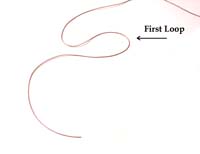
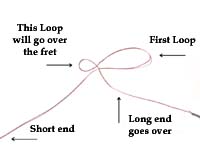
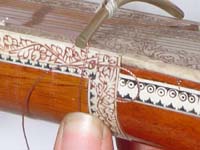
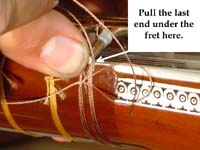
The tension is everything. Each pass should be pulled as tight as your hands can manage before you move to the next, because the thread will settle and lose a little tension the first time you play. A fret that can be rocked with a fingertip after tying is too loose and will buzz.
Watch it done
Getting the frets in tune afterwards
Once a fret is tied it still has to be positioned. Tune the playing string, then move each fret until the note it gives is true, checking against a tuner or against the open string an octave below. Work from the lowest fret upwards. Expect the low bass string to be very slightly off even when the playing string is perfect: that is normal on every sitar, and it is explained in our sitar FAQs.
How often frets need retying
With regular playing, once a year to eighteen months, sooner if you move the frets often or play in a humid climate. Retie a fret as soon as it starts to shift on its own rather than waiting for it to fail mid-practice.
Every sitar we despatch leaves Mumbai with fresh thread, the frets tied tight and the instrument set up and played through. See what our setup includes, read about sitar maintenance, or browse sitars in stock.