
A harmonium goes out of tune slowly and quietly, and most players do not notice until they sit down next to a shruti box or a keyboard. Tuning one is not difficult to understand, but it is unforgiving: you tune a reed by removing metal from it, and metal cannot be put back. This guide explains how it works, so you know what is involved whether you do it yourself or send the instrument to us.
How a harmonium reed makes its pitch
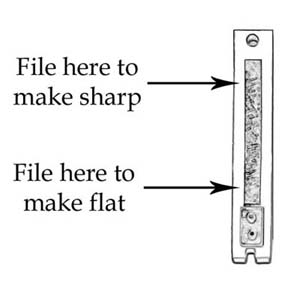
Each note is a thin brass tongue riveted over a slot in a brass plate. Air from the bellows sets the tongue vibrating, and the speed of that vibration is the pitch you hear. Take metal off the tip and the tongue becomes lighter at the free end, so it vibrates faster and the note goes sharp. Take metal off near the rivet and you weaken the root of the tongue, so it vibrates more slowly and the note goes flat. Everything else in harmonium tuning follows from those two sentences.
Getting to the reeds
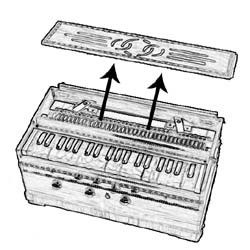
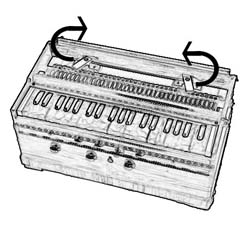
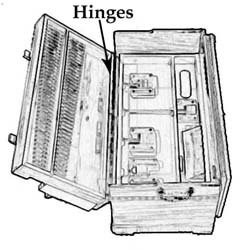
Work on a table with strong light and a cloth under the instrument. Keep every screw you remove in one dish. Before you touch a reed, play the note and listen carefully: a note that sounds weak or airy rather than simply out of tune is usually dirty or leaking, and cleaning it will fix the problem without any filing at all.
Adjusting a reed
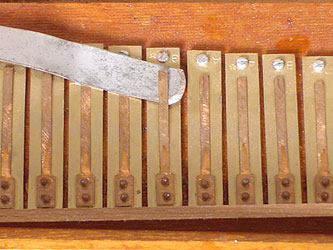
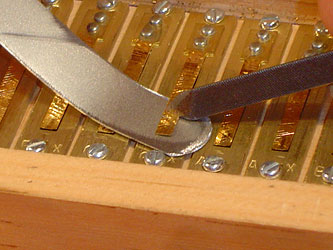
Slide a thin blade under the tongue so you are not pressing it into the plate, and scrape rather than gouge. Remove a tiny amount, put the reed back, sound the note against your tuner and listen. The commonest mistake by far is taking too much at once and then chasing the note back and forth until the reed is ruined. Two or three scrapes at a time, checking after each, is the whole discipline.
Which pitch to tune to
Tune to A440 unless you have a specific reason not to. That is what electronic tanpuras, keyboards and recording software expect, and an instrument at any other pitch will be awkward the first time you play with someone else. We do tune instruments to A432 on request; see our harmonium FAQs for what that choice commits you to. Remember also that harmoniums are tuned in equal temperament, so every note will be very slightly off against a pure drone, and that is normal rather than a fault.
How often, and when to hand it over
A harmonium in ordinary home use needs tuning every two to three years. One that travels, or lives through hard seasons, will want it sooner. If several notes are out at once, if the instrument has never been tuned since you bought it, or if you simply do not want to take a knife to your own reeds, bring it to our Mumbai workshop. We tune every instrument we sell before it is despatched, and we retune customers instruments whether or not they bought them from us. See harmonium repair for the other work we do, or browse harmoniums if you are looking for an instrument that arrives ready to play.